Their list of supported sites isn't a declaration of where you should use this tool for moralistic reasons. It's just a list of popular sites it works on.
For Firefox Send, it was actually malware and spearfishing attacks that were spread.
The combination of limited file availability (reducing the ability to report bad actors), as well as Firefox urls being inherently trusted within orgs (bypassing a lot of basic email/file filtering/scanning), was the reason it became so popular for criminals to use. Like we've seen in the spearfishing attacks in India[1].
This is Bridge leveraging failed talks for future funding rounds or in hopes of finding another faster buyer. Stripe has been making a plethora of acquisitions recently, but have kept all of them quiet and mostly directed towards tiny teams that were covering blind spots for Stripe.
I just don't see how any of that aligns with Bridge, not when Stripe has already been implementing crypto related features and is well positioned to offer everything Bridge does without the $1B purchase cost for a company that can only get valuation at 200m.
I also use Mullvad Browser (a browser based on Firefox), and it supports resisting fingerprinting without any of those blocks. Tried it on Drupal and Fedex. Loads Cloudflare sites normally.
I'm guessing if it's really Resist Fingerprinting on Firefox (something Mullvad also has on by default), then there are other settings that aren't being enabled causing the issue. Mullvad actually lists the settings related to resisting fingerprinting here - https://mullvad.net/en/browser/hard-facts
Randomizing to throw trackers off only works if you only ever visit sites once.
But yes, without javascript a lot of tracking functions fail to operate. That is good for privacy, and EFF notes that on the site.
You can fix your UA to a common value, it's about providing the least amount of identifying bits, and randomizing it just provides another bit to identify you by. Always remember: an absence of information is also valuable information!
Not sure a random UA extension is giving you much privacy. Try your results on coveryourtracks eff, and see. A random UA would provide a lot of identifying information despite being randomized.
From experience, a lot of the things people do in hopes of protecting their privacy only makes them far easier to profile.
You kind of have to go out of your way to not have your keys backed up. By default, the easiest route is using your android or iphone and both of them back the keys up using icloud Keychain or google password manager. 1Password, bitwarden, all support syncing. Chrome will allow saving it to icloud or your google account. Keepass can be manually synced. Windows is adding sync in the next update for windows hello. List goes on.
The other thing is that multiple keys can be created. Easiest way to see this in action is google's account security settings. Log in (if you have an account), hit create passkey, see your options and play around with them. You'll also see you can add a hardware security key too, which isn't nothing new but if you have one that's another key that doesn't rely on a mobile device!
If all else fails, the usual account recovery process applies. Much like it would if you forgot your password.
You can also do this directly through Github's normal interface, as creating new markdown files through it is as easy as hitting the add file button and then naming the file ending in md. It also supports dragging and dropping files (the file has to have the markdown file extension added before it'll accept drag and drops btw). Super useful on iPads where vscode's editor can be a little cumbersome.
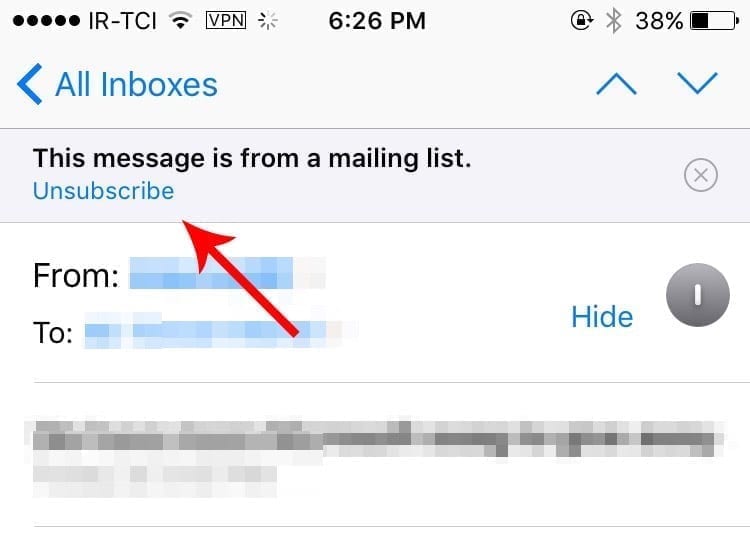
Got to love the CAN-SPAM act. It seems rare such acts would pass these days without making substantial compromises for advertisers. Which if it were up to them, we would still be looking for a tiny unsubscribe link at the very bottom in a font color that matches the background.
Go here https://www.cdc.gov/bmi/adult-calculator/index.html and enter your height and weight. If you fall above the healthy category, you are part of the obesity rate and are what most research points to when it comes to increased cardiovascular risk. Also for asians the numbers are slightly lower.
I find that when I point this out, people often get mad. They feel they aren't obese. But the research doesn't support them, if you are anywhere outside of the "healthy" categorization you are at the same risk (that we know of so far) as "clinically obese" people.
Kind of. The tricky thing here is that most people have a rigid view of "obesity" in their minds as it's easier to shift blame to, but the only thing research has shown is that abnormal BMI leads to increased cardiovascular issues. Which includes slightly overweight people.