The main point though, is that running Python in the browser it's an unnecessary abstraction because you get a crappier version of something that runs pretty well natively. If you're starting from scratch, I think that the browser might be close to native performance in some tasks. Porting existing applications is a pain when you start looking into the details.
I don't find it that crazy, if properly compiled with web assembly. The thing is that Blender's UI is all synchronous python, so, yeah, that and the addons system would be to need rewritten. Python in the browser is a no-go performance-wise, of course.
- use certbot from letsencrypt to setup https
- you could start the app immediately without having to decide the name (e.g. assign a random name). Only when/if I want to share it, then I can think of a name
> People in crypto don't understand the design tradeoff between centralization and decentralization.
Care to elaborate about that trade-off?
And could you be a little more specific on who is 'crypto people? (e.g. everyone from users of a crypto systems, core developers, etc.).
It's amazing how many sites won't even load nor give you a warning when you just opt out of JS (e.g. by using an addon like NoScript). Even very big ones, like twitch.
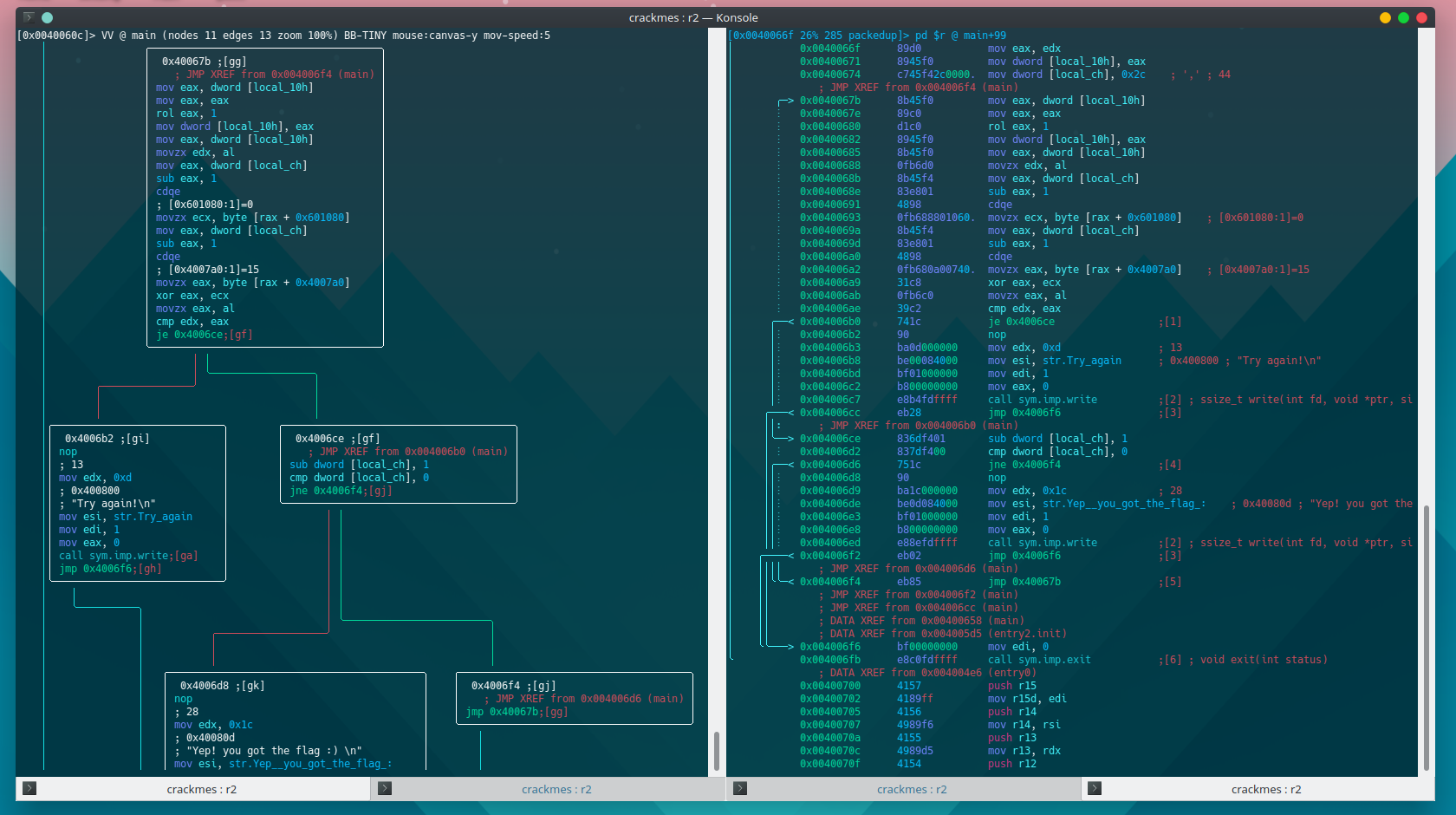
Reverse engineering is a discipline where these kind of graphs are important, but YMMV. Have you seen the way radare2 represents[1] calls in the console? There are even web front-ends for it.
Very interesting thanks. I'm looking for a balance in great UX and features with a minimalist approach to the code needed in the client. Trying to stay with vanilla javascript with little dependencies might be hard thougg. So many frameworks and old habits. Maybe wasm will change that.
That's interesting. In your examples isn't it fast because monorepos are network-based, as in, you only fetch what you need when you need it?
Also reminded me of discussions around CPython's startup time and how one use case where milliseconds matter is in small cli utilities such as Mercurial.
> there is no real industry wide vendor lock-in when it comes to formats in 3D
Mmm, Blender had a lot of problems having to reverse FBX from autodesk, which AFAIK is or was a de-facto standard. About open standards, I kinda hate xml, so I didn't like Collada much. I'm looking forward for knowing more about glTF[1]. Thankfully Blender 2.8 had the official add-on from the beginning.
This is pretty cool. After a year experimenting I found that turning things off/on in an if/then fashion doesn't add much value to me. The kind of automation I want is for chores that take time and are not much fun, like laundry. Turns out that doing that is much harder than turning things on/off remotely :).
I'm thinking of an assistant where I show (or tell it) what I want, and it just does it (it 'learns'), improving based on feedback from the users.
Hard-coding times in the day, for example, could be improved if the assistant knew what would be the ideal time to sleep to me, based on all the data collected for each profile of the people living in that home. It might ask me or suggest me things to do, having more flexibility than static rules.