New study shows nuts reduce cardiovascular disease risk up to 55%(anti-agingfirewalls.com)
anti-agingfirewalls.com
New study shows nuts reduce cardiovascular disease risk up to 55%
http://www.anti-agingfirewalls.com/2013/12/01/nuts-over-nuts/
9 comments
There's another thing at play as well: what's "nuts"?
It's more of a linguistic categorization than anything else.
And even though they may share some dietetic properties, well, Brazil nuts are one thing, Almonds are another, Pistachios are another.
It's more of a linguistic categorization than anything else.
And even though they may share some dietetic properties, well, Brazil nuts are one thing, Almonds are another, Pistachios are another.
And peanuts are not even nuts! (But legumes.)
Glad to see we're reading the same mag ;) http://www.thepaepae.com/wp-uploads/2013/12/Your-wrong-magaz...
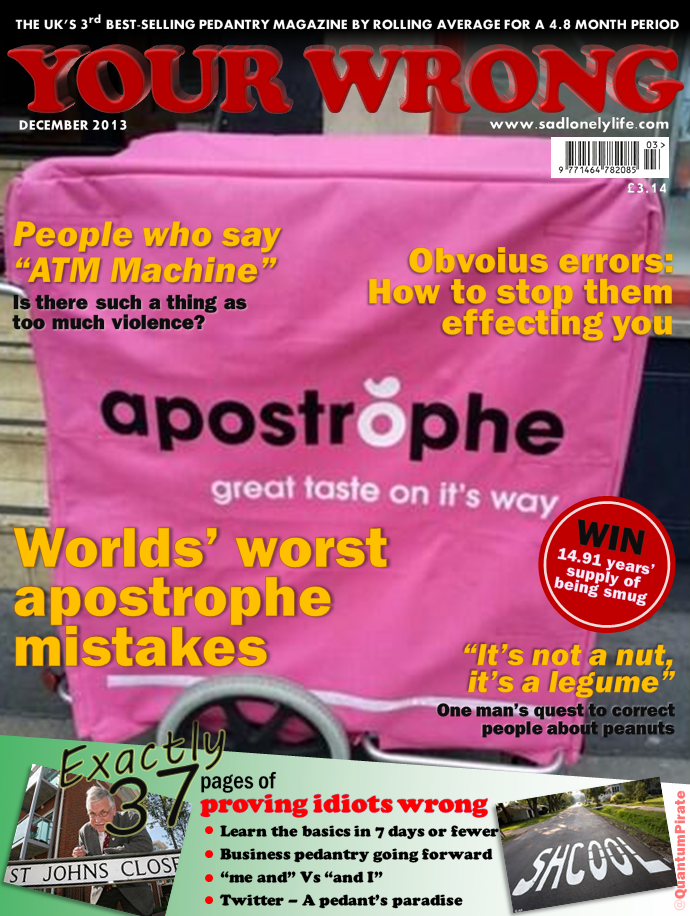
I think that factoid is pretty widespread actually.
I thought the Mediterranean diet didn't count for non-Mediterranean people?
i.e. it was the culture of eating rather than the content of the diet that made it healthy.
(Rather than "clean your plate", "second helpings", and "eat til you're full")
Edit: here is a link for the French diet https://en.wikipedia.org/wiki/French_paradox
i.e. it was the culture of eating rather than the content of the diet that made it healthy.
(Rather than "clean your plate", "second helpings", and "eat til you're full")
Edit: here is a link for the French diet https://en.wikipedia.org/wiki/French_paradox
No - check out numerous studies that attest to benefits of the diet itself which is not to say that cultural features are not significant.
If this is true, squirrels should be immortal. Seriously though, nuts are quite hard to digest - you shouldnt really eat a lot of them especially when you are old - digesting nuts puts excessive strain on your liver, etc.
Boiled peanuts are anything but hard to digest. It appears the mode of preparation or consumption determines the level of strain it puts on the digestive system.
BTW i have a 90yr old dad who consumes roasted and salted peanuts daily. YMMV
BTW i have a 90yr old dad who consumes roasted and salted peanuts daily. YMMV
So was the low fat recommendations by the health establishment one of the more epic failures in human history?
Then nutella is healthy ? I can put back http://www.nutelladay.com/ in my bookmarks ?
It's unlikely that the effect of its 13% hazelnut content offsets the over 50% pure sugar.
But then, the very idea of "healthy" and "unhealthy" foods is a fallacy. What's healthy or unhealthy is your diet in its entirety.
But then, the very idea of "healthy" and "unhealthy" foods is a fallacy. What's healthy or unhealthy is your diet in its entirety.
One question on this should be does the 'modified palm oil' reported as one of the constituents, contain trans fats. i wouldn't touch it until I am reassured on that.
Are peanuts really nuts in this context? The article mentions them, but my understanding is that they are legumes, not nuts.
The study actually distinguishes between "tree nuts" and "peanuts", with separate variables for each.
Seems quite speculative, as mentioned in the comments. How are the nuts prepared?
I just knew dough nuts are ought to be healthy!
This is nuts.
Specifically, several confounding variables in the data could have accounted for part of the “nut effect”. The confounding variables included BMI, smoking, and exercise. Those that consumed nuts and ate a Mediterranean diet also had a lower BMI, a lower waist circumference, were less likely to smoke, and were more physically active. These factors may have “skewed” the results in favor of the “nut eaters.”
Also, the people who eat more nuts are probably eating less of something else. Since nuts are frequently eaten as snacks, it's likely that they're eating nuts instead of sugary, processed food like cookies or candy. So the improved health could be the result of what they're not eating rather than what they are eating.
Edit: Reading the article reminded me of this paper:
"Why Most Published Research Findings Are False" (2005)
By John P. A. Ioannidis
https://www.ncbi.nlm.nih.gov/pmc/articles/PMC1182327/
There's also a discussion of Ioannidis' work here:
"Lies, Damned Lies, and Medical Science" (2010)
http://www.theatlantic.com/magazine/archive/2010/11/lies-dam...