The Finder has an interesting take on this: copy a file with ⌘C, then move it somewhere with ⌥⌘V. This is much nicer than the Windows Explorer's CTRL+X and CTRL+V, where the user is unsure what happens when they never paste the file.
The Mac now has a clipboard history as well, it's just a bit awkward. You can open Spotlight with ⌘Space, and within Spotlight open the clipboard manager with ⌘4.
I remember that there had been a discussion about providing free Interrail tickets to all EU citizens at some age (18 or 19 maybe?), which I found a brilliant idea. I don't know whether this actually ever materialized, though.
This is how I learned cursive in school, and it never occurred to me that this may interrupt my writing flow. I agree that doing the backtracks after writing the entire word would add to my mental load, but that's probably because I'm not used to that.
So generally, I'd say that the mental load is basically a matter of how one learned cursive in the first place. Though I agree that the mostly backtrack-free Cyrillic cursive looks more elegant.
Would be interesting to learn about the perspective of people who learned Chinese or Japanese as their first script.
Similarly, why don't photos get auto-straightened, maybe with an option to revert to original? I spend too much time aligning the horizon properly on snapshots that I took while cycling. The phone even has the data from the rotation sensor, so this should be fairly easy to implement.
A different UX issue I have with these buttons is that the designers seen to have chosen the wrong rotation direction.
I almost always need to rotate photos 90⁰ to the right, so I have to tap that button three times. Apart from that, if I have only one way to rotate my photo, clockwise seems more intuitive to me anyway.
I was too, and I was going to ask whether this is a good use of taxpayer money, as the ICANN fee for registering a TLD is $227,000. But given the fact that the Web was invented at CERN, I could imagine that they got a special deal.
Happy to learn about details if someone knows more!
As an aside, Rogue Amoeba are one of an ecosystem of great and greatly passionate indie software houses for the Mac.
All of them create excellent software with polished UIs, provide excellent support and never forget to have fun. This seems to be unique to the Mac, at least at this scale.
Gotta love how some of the spectators on the larger Joseph Heintz the Younger painting enjoy the entertainment. Too bad that these images predate the invention of popcorn!
*Every* time I try to be smart on HN, there's ~someone who outsmarts me~ an opportunity to learn - and that's one of the reasons why I keep coming back. Thank you :)
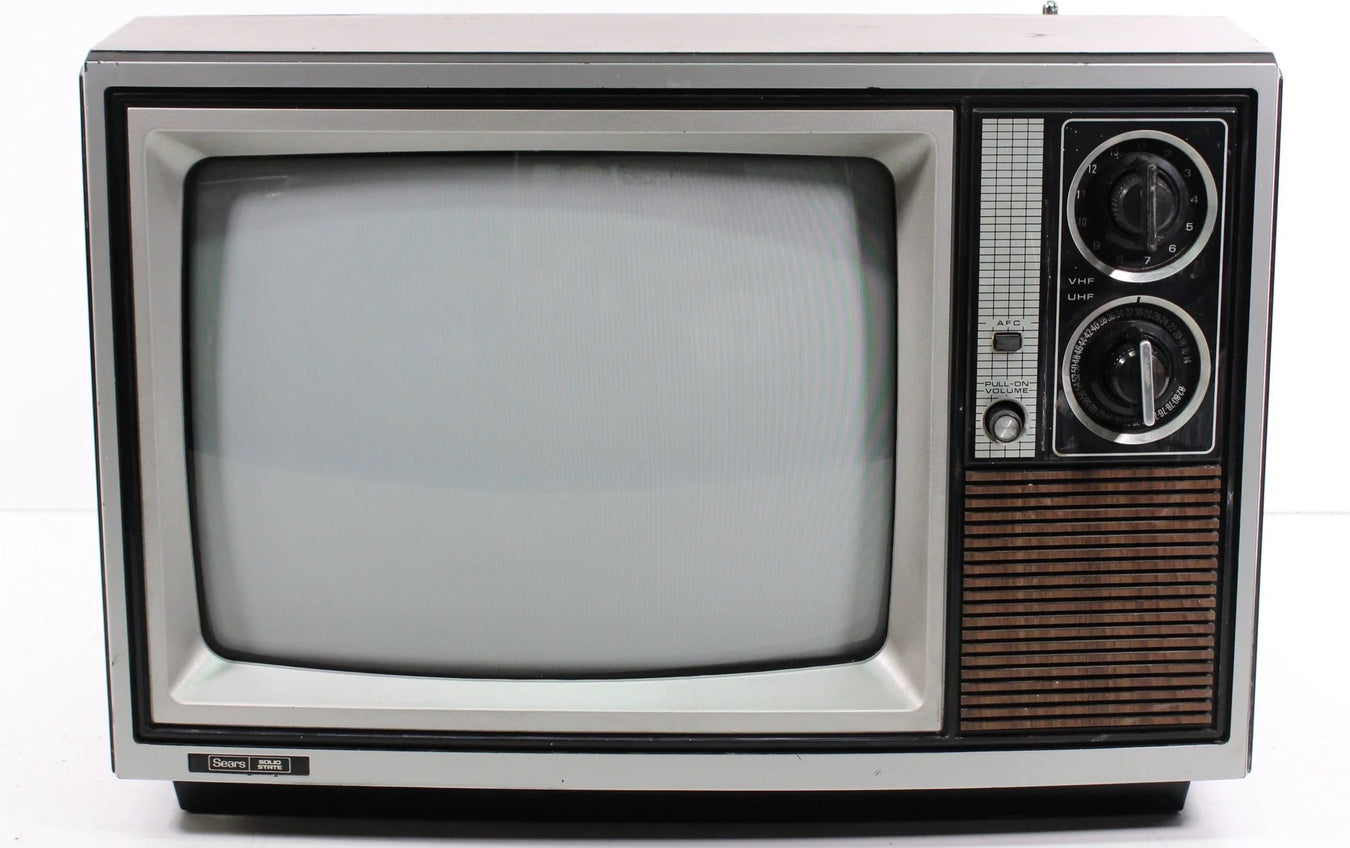
I'm fairly certain that the YouTube logo, especially the original one, is meant to symbolize a Cathode Ray Tube (CRT) TV like this one: https://spencertified.com/cdn/shop/collections/Sears-Solid-S... (random example from image search). In times of linear TV, you'd ask whether anything was on the tube when you were wondering whether you'd want to watch something.
As a kid I loved these illustrations that made it so transparent (pun semi-intended) how a particular car is constructed, and how all the individual components work together. I never learned the name of the artist until I stumbled upon this post, though.
Seems like this discussion creates a lot of interest in the Minibook X - researching the device on Google shows lower prices than on the actual pages behind the search results, so they must have become higher very recently.