> I really can't think of anything that comes close in terms of [...] developer experience.
Of all the languages that I have to touch professionally, C# feels by far the most opaque and unusable.
Documentation tends to be somewhere between nonexistant and useless, and MSDN's navigation feels like it was designed by a sadist. (My gold standard would be Rustdoc or Scala 2.13 era Scaladoc, but even Javadoc has been.. fine for basically forever.) For third-party libraries it tends to be even more dire and inconsistent.
The Roslyn language server crashes all the time, and when it does work.. it doesn't do anything useful? Like cross-project "go-to-definition" takes me to either a list of members or a decompiled listing of source code, even when I have the actual source code right there! (I know there's this thing called "SourceLink" which is.. supposed to solve this? I think? But I've never seen it actually use it in practice.)
Even finding where something comes from is ~impossible without the language server, because `using` statements don't mention.. what they're even importing. (Assuming that you have them at all. Because this is also the company that thought project-scoped imports were a good idea!)
And then there's the dependency injection, where I guess someone thought it would be cute if every library just had an opaque extension method on the god object, that didn't tell you anything about what it actually did. So good luck finding where the actual implementation of anything is.
You can back up a debunking with receipts or reputation. Ideally, both.
You and anotherlogin448 have neither, but also show incredible aggression towards anyone pointing that out.
Your confidence might actually be warranted, but there's no reason for any one of us to take you on your word, and neither of you have given anything else.
I haven't, no. But as far as I can tell from the documentation, it looks more like an alternative to stgit (with a similar lack of history or collaboration support)?
The former. If you intend to hard-fork then Git's model is already fine. If you're soft-forking and want to model your divergence explicitly then Lappverk might be for you.
Yeah, I mentioned Quilt in the post! Lappverk is effectively an exercise in "What if Quilt, but you could interact with it using any Git tooling, rather than Quilt's half-baked custom VCS?".
Yeah. For reference, this is a typical patchset for the project that motivated it.[0] Some of the patches are "routine" dependency upgrades, some of them are bugfix backports, some of them are original work that we were planning to upstream but hadn't got around to yet. Some are worth keeping when upgrading to a new upstream version, some aren't.
I agree that it's not ideal, but... there are always tradeoffs to manage.
> fork the repo (at whatever tag makes sense), then periodically sync with the latest code for that version.
Yeah, this is the workflow that Lappverk is trying to enable.
The problem is that neither of Git's collaboration models works well for this problem. Rebasing breaks collaboration (and history for the patchset itself), and merging quickly loses track of individual patches. Lappverk is an attempt to provide a safer way to collaborate over the rebase workflow.
The difference is that git rebasing is a destructive operation, you lose track of the old version when you do it. (Yes, there's technically the reflog.. but it's much less friendly to browse, and there's no way to share it across a team.)
Maybe that's an okay tradeoff for something you use by yourself, but it gets completely untenable when you're multiple people maintaining it together, because constantly rebasing branches completely breaks Git's collaboration model.
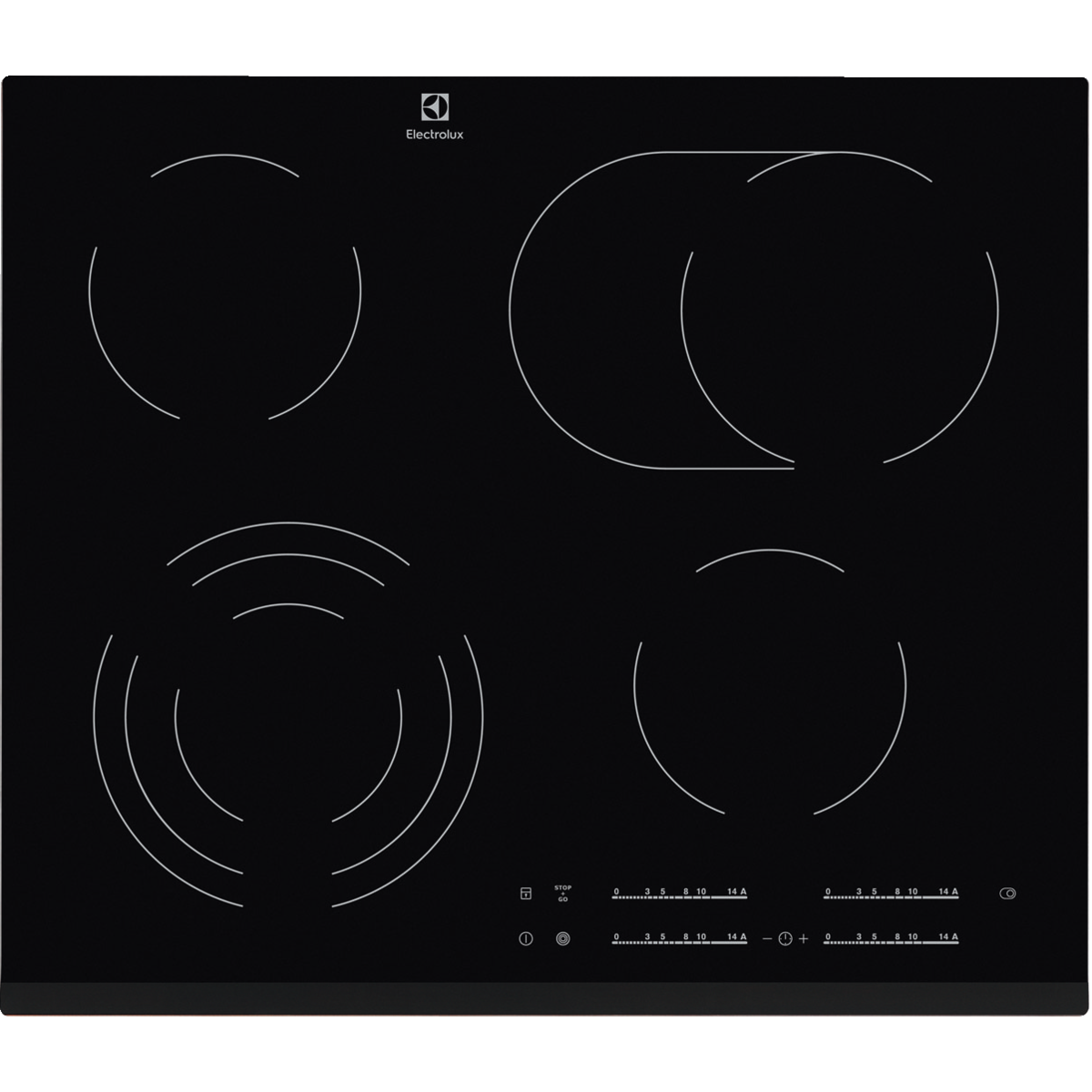
Any modern (made within the last ~20 years) electric stove is going to just have a flat top with markings, just like an induction stove.[0] Before that you'd have a flat surface with a cast iron disk protruding for each hot surface.[1] Less trivial than the flat surface, but still not too bad. I've seen.. maybe.. one with an exposed coil in my entire life, and that thing was ancient. Faaaaar from "generally use".

But yes, it'd also be nice to have something closer to dockerTools.streamLayeredImage.